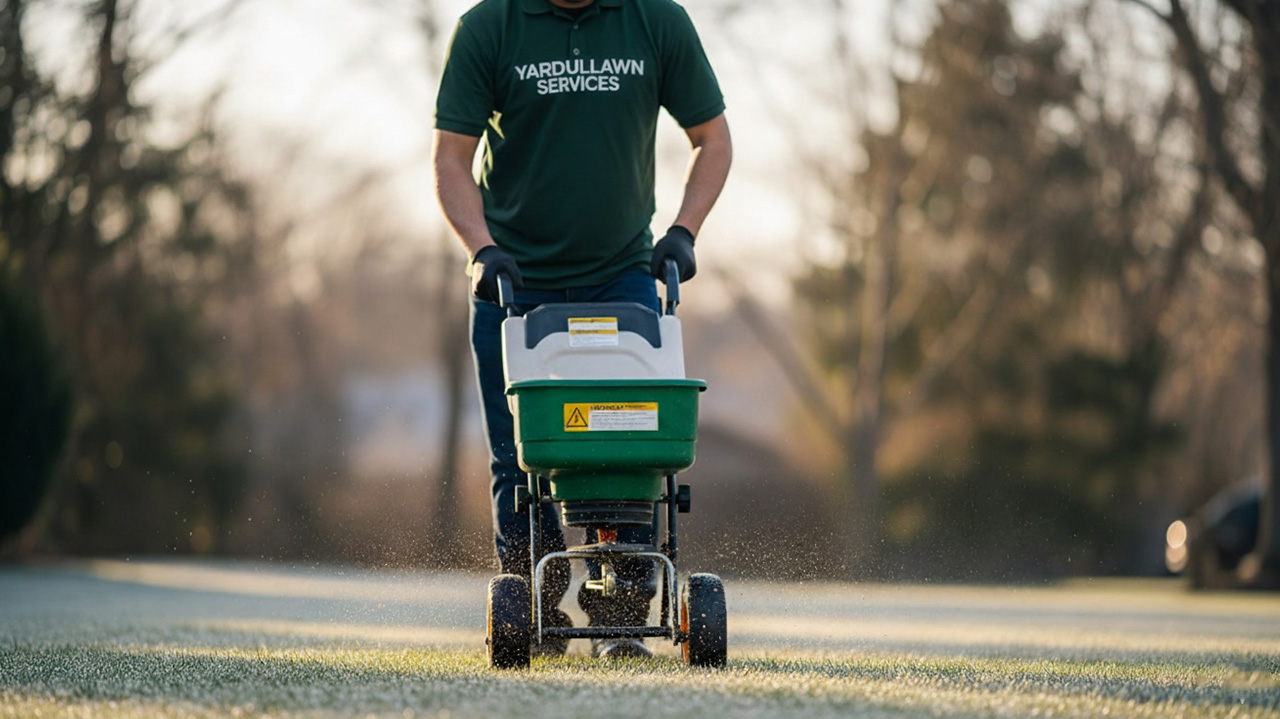
For most Central Texas lawns, winter fertilization is not recommended because warm-season grasses go dormant and cannot effectively absorb nutrients. However, dormant seeding can be a smart seasonal strategy for repairing thin or patchy areas when done at the right time with guidance from Yardful Lawn Services.
What Happens to Your Lawn During Winter in Central Texas?
As temperatures drop, common Texas grasses like Bermuda and St. Augustine enter dormancy. Growth slows or completely stops as the lawn conserves energy until warmer weather returns. While grass may appear brown or thin, this is a natural seasonal process—not a sign of lawn failure.
Understanding dormancy is essential when deciding whether fertilizing or seeding makes sense during winter months, especially when working with Central Texas lawn care professionals who understand local climate and soil conditions.
Should You Fertilize Your Lawn in Winter?
In most cases, winter fertilization is ineffective for dormant lawns. Applying fertilizer during this period often leads to wasted nutrients and increased weed growth rather than healthier grass.
Why winter fertilization is usually not recommended:
- Grass roots absorb fewer nutrients during dormancy
- Fertilizer may wash away with rain
- Weeds often benefit more than grass
Fertilization is most effective in early spring and fall when grass is actively growing and can properly absorb nutrients. This is when professional lawn fertilization services deliver the best long-term results.
What Is Dormant Seeding?
Dormant seeding is the process of applying grass seed after soil temperatures are too cold for germination. The seed remains inactive throughout winter and begins growing naturally when temperatures rise in spring.
Dormant seeding is commonly used to:
- Improve lawn density
- Repair bare or thin spots
- Prepare lawns for healthier spring growth
Many homeowners pair this method with professional lawn seeding and maintenance services to achieve better and more consistent results.
Is Dormant Seeding Effective for Texas Lawns?
Yes—when timed correctly. Central Texas winters are typically mild enough for dormant seeding to succeed, especially on lawns with compacted soil or thinning turf.
Best conditions for dormant seeding include:
- Soil temperatures consistently below germination range
- Even and proper seed coverage
- Light moisture from winter rainfall
Seeding too early can lead to premature germination, which may damage young grass if cold temperatures return. Consulting Yardful Lawn Services helps ensure correct timing and application.
Which Grass Types Benefit Most from Dormant Seeding?
Dormant seeding works best for certain grass varieties commonly found in Central Texas lawns.
- Bermuda grass
- Zoysia grass
- Tall fescue (in overseeded lawns)
St. Augustine grass typically responds better to spring repair techniques rather than winter seeding and is best addressed through targeted spring lawn care programs.
Other Winter Lawn Care Tips to Follow
Even while dormant, basic lawn care practices help protect your yard and prepare it for a stronger recovery in spring.
- Keep mowing height slightly higher
- Remove leaves and debris regularly
- Avoid heavy foot traffic on dormant grass
- Plan spring lawn services in advance
Year-round care plans from Yardful Lawn Services help lawns recover faster and stay healthier as temperatures rise.
Final Thoughts: Fertilize or Dormant-Seed?
For Central Texas homeowners, dormant seeding is the better winter option if your lawn has thin or bare areas. Fertilization should wait until spring, when grass can actively use nutrients.
Choosing the right winter lawn care approach with Yardful Lawn Services ensures healthier growth, fewer weeds, and a smoother transition into spring. Contact us today to plan your seasonal lawn care.

