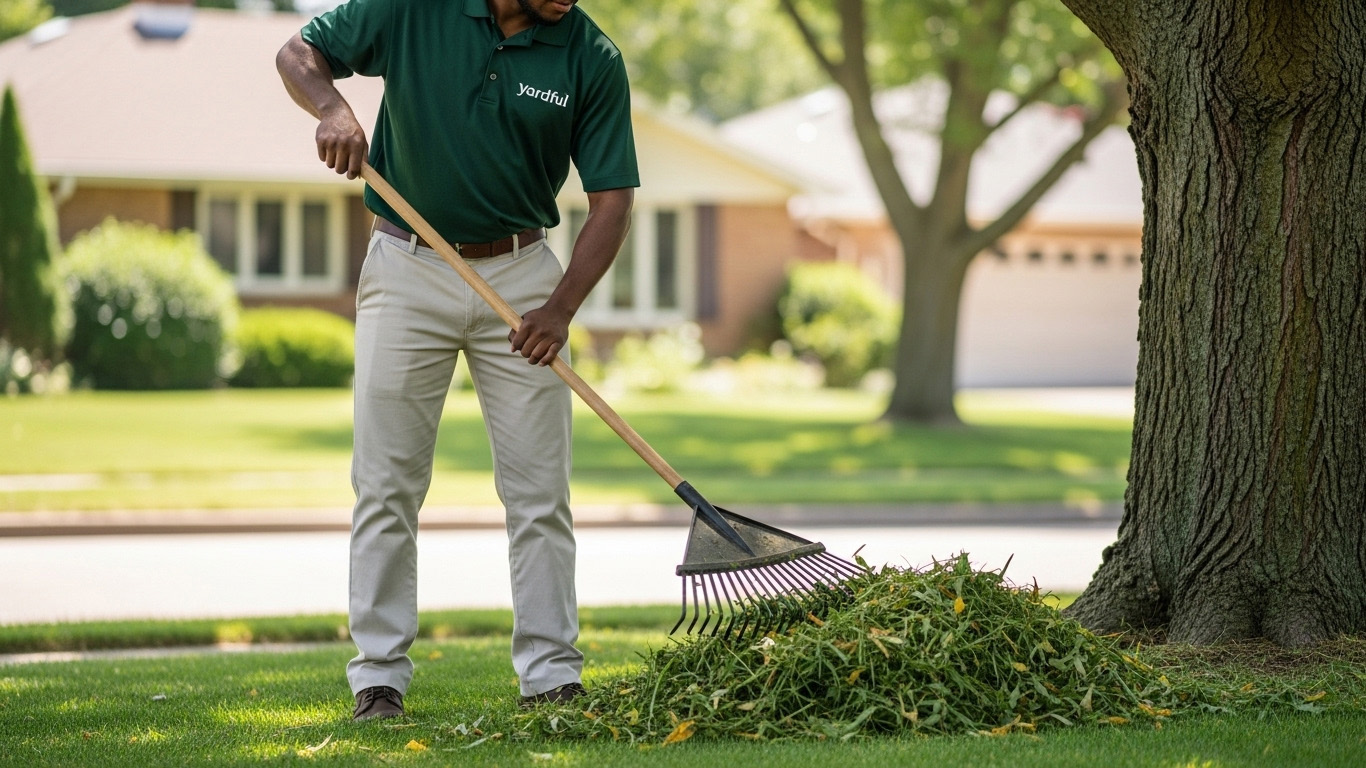
A lush, green lawn is the pride of many Cedar Park homeowners—but with Texas’s unique climate and weather patterns, keeping your lawn in top shape year-round can be a challenge. Whether you’re a DIY enthusiast or someone considering professional help, these 7 lawn care tips will help you maintain a healthy, beautiful yard in every season.
1. Know Your Grass Type
Cedar Park lawns are typically made up of warm-season grasses like Bermuda, Zoysia, and St. Augustine. These grass types do well in the Texas heat, but they still need the right care throughout the year. Knowing what type of grass you have makes it much easier to plan your mowing, watering, and fertilizing schedule. For instance, Bermuda grass tends to grow quickly during the summer months but naturally goes dormant when temperatures drop in winter.
2. Stick to a Seasonal Watering Schedule
3. Mow at the Right Height
Mowing isn’t just about keeping your lawn looking neat. The right height promotes strong roots and better moisture retention. In general:
- Bermuda grass: 1–1.5 inches
- Zoysia: 1.5–2.5 inches
- St. Augustine: 2.5–4 inches
Never cut more than one-third of the grass blade in one mow to avoid stressing the plant.
4. Apply Fertilizer Strategically
Each season calls for different nutrients. In spring, use a high-nitrogen fertilizer to kickstart growth. In summer, switch to a balanced mix, and in fall, apply a fertilizer high in potassium to help the roots prepare for winter. Avoid fertilizing in the dead of winter when grass is dormant—it won’t absorb nutrients and could lead to runoff pollution.
5. Aerate Once a Year
Soil in Cedar Park can become compacted due to foot traffic and dry weather. Aeration—removing small plugs of soil—helps air, water, and nutrients reach grass roots. The best time to aerate is late spring or early summer, when grass is actively growing. Your lawn will look better and absorb water more efficiently afterward.
6. Watch for Weeds and Pests
Texas lawns are prone to pests like chinch bugs, grubs, and armyworms, as well as weeds like crabgrass and dandelions. Use pre-emergent herbicides in early spring to prevent weeds and insecticides only when necessary. Regular mowing and proper watering help discourage both.
7. Mulch and Compost
Leave grass clippings on the lawn to return nitrogen to the soil, or use them in a compost bin along with leaves and yard debris. Adding compost to bare patches or as a thin topdressing improves soil quality and lawn health over time.
Bonus: Regular mowing is also easier on your lawnmower. Shorter grass places less stress on the engine and blades, meaning fewer breakdowns and maintenance costs.
Frequently Asked Questions (FAQs)
1. How often should I take care of my lawn in Cedar Park?
Basic lawn care, such as mowing and watering, should be done regularly. Seasonal treatments help keep your lawn healthy all year.
2. What is the best time to water my lawn?
The best time to water is early in the morning. This helps the grass absorb moisture before the heat of the day.
3. How can I keep my lawn healthy year-round?
Regular mowing, proper watering, fertilizing, and weed control are key to maintaining a healthy lawn.
4. Why is weed control important for my lawn?
Weeds compete with grass for water and nutrients. Controlling weeds helps your lawn grow thicker and healthier.
5. Should I hire a professional lawn care service?
Yes. A professional lawn care service can provide the right treatments and maintenance to keep your lawn green, healthy, and well-maintained throughout the year.
Final Thoughts
Year-round lawn care in Cedar Park is about balance—knowing when to step in and when to let nature take its course. By following these seasonal tips and understanding your lawn's unique needs, you can enjoy a healthy, green yard in every season. And if you're short on time or tools, don’t hesitate to call in local experts like Yardful Lawn Services. As a locally owned company, we take pride in providing reliable, detail-oriented care that’s perfectly suited to Cedar Park’s climate.


