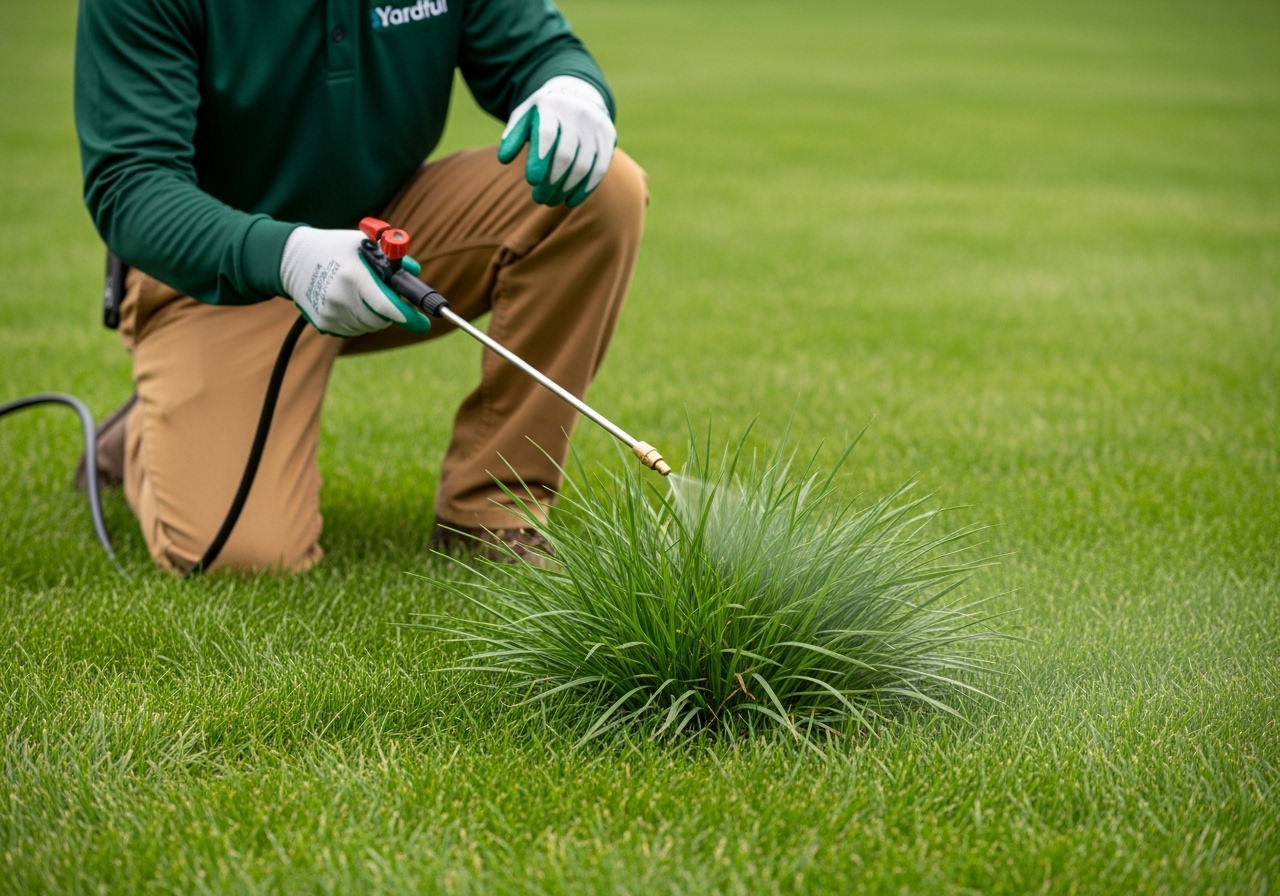
Crabgrass is one of the most frustrating weeds homeowners face. It grows quickly, spreads aggressively, and can take over your lawn before you even realize it. If left untreated, it competes with healthy grass for nutrients, sunlight, and water—leaving your yard patchy and weak.
The good news? With the right approach, you can get rid of crabgrass permanently and keep your lawn looking lush and healthy all year long.
What Is Crabgrass and Why Does It Spread?
Crabgrass is a fast-growing annual weed that thrives in warm weather. It typically appears in thin or bare spots in your lawn where healthy grass isn’t strong enough to compete.
Common reasons crabgrass spreads include:
Poor lawn maintenance
Thin or weak grass
Compacted soil
Overwatering or underwatering
Lack of proper fertilization
Understanding why crabgrass grows is the first step toward effective crabgrass control.
Step-by-Step: How to Get Rid of Crabgrass
1. Apply Pre-Emergent Herbicide (Best Prevention Method)
The most effective way to stop crabgrass is before it even starts growing. Pre-emergent herbicides create a barrier in the soil that prevents crabgrass seeds from sprouting.
Apply in early spring before soil temperatures rise
Water lightly after application
Reapply if necessary based on product instructions
This is a key step in long-term crabgrass prevention.
2. Remove Existing Crabgrass
If crabgrass has already appeared, you’ll need to remove it immediately.
Pull it out by hand (including roots)
Use post-emergent herbicides for larger infestations
Avoid letting it go to seed
Quick action prevents it from spreading further across your lawn.
3. Strengthen Your Lawn
A thick, healthy lawn is the best defense against weeds.
Mow at the correct height (don’t cut too short)
Water deeply but less frequently
Strong grass naturally blocks crabgrass from taking over, making lawn weed control much easier.
4. Improve Soil Health
Crabgrass thrives in poor soil conditions. Improving your soil can significantly reduce weed growth.
Add organic matter or compost
Maintain proper pH levels
Healthy soil supports strong grass roots and prevents unwanted weeds.
5. Overseed Bare Areas
Bare patches are an open invitation for crabgrass.
Overseed in fall or early spring
Choose grass types suited for your region
Keep soil moist until new grass grows
This step helps fill gaps and prevents future infestations.
Common Mistakes to Avoid
Many homeowners unknowingly make mistakes that encourage crabgrass growth:
Cutting grass too short
Skipping seasonal lawn treatments
Watering too frequently
Ignoring early weed growth
Avoiding these mistakes is essential for long-term weed control success.
Why Professional Lawn Care Makes a Difference
While DIY methods can help, professional lawn care services provide long-lasting results. Experts understand soil conditions, seasonal timing, and the right treatments needed for effective crabgrass control.
Professional services can include:
Pre-emergent and post-emergent treatments
Lawn fertilization programs
Aeration and overseeding
Ongoing weed control maintenance
This ensures your lawn stays healthy and weed-free throughout the year.
Final Thoughts
Getting rid of crabgrass permanently isn’t about a one-time fix—it requires a combination of prevention, proper lawn care, and consistency. By strengthening your lawn and addressing the root causes, you can stop crabgrass from returning and enjoy a greener, healthier yard.
Ready to Eliminate Crabgrass for Good?
Don’t let crabgrass take over your lawn. With the right care and professional support, you can enjoy a thick, green, and weed-free yard all year round.
Yardful Lawn Services offers expert weed control services, including targeted crabgrass treatments, fertilization, and lawn care programs tailored for Texas lawns.
Get your free lawn assessment today and take the first step toward a healthier lawn!
Frequently Asked Questions?
How to get rid of weeds in the lawn permanently?
To get rid of weeds in the lawn permanently, you need a combination of regular mowing, proper watering, fertilization, and professional weed control treatments. Healthy grass naturally prevents weeds from spreading and returning.
What is the best way to get rid of weeds in Texas summer?
The best way to get rid of weeds in Texas summer is to apply weed control treatments early and maintain proper lawn care during hot weather. Summer weeds grow quickly in Texas heat, so regular maintenance is important for long-term control.
Can I get rid of weeds in the lawn permanently without damaging grass?
Yes, professional weed control services use selective treatments designed to remove weeds while protecting healthy grass. Proper application and timing help keep your lawn green and weed-free.
Why do weeds keep coming back in Texas lawns?
Weeds often return because of poor soil health, inconsistent lawn maintenance, overwatering, or seasonal weather changes. Regular lawn care and preventive weed treatments help reduce recurring weed problems in Texas lawns.
When should I treat weeds to get rid of weeds in the lawn permanently?
The best time to treat weeds is during spring and fall when weeds are actively growing. Preventive treatments before Texas summer can help stop weeds from spreading throughout the season.


